Boulder's Debate Over Police Oversight Highlights a Cultural Divide
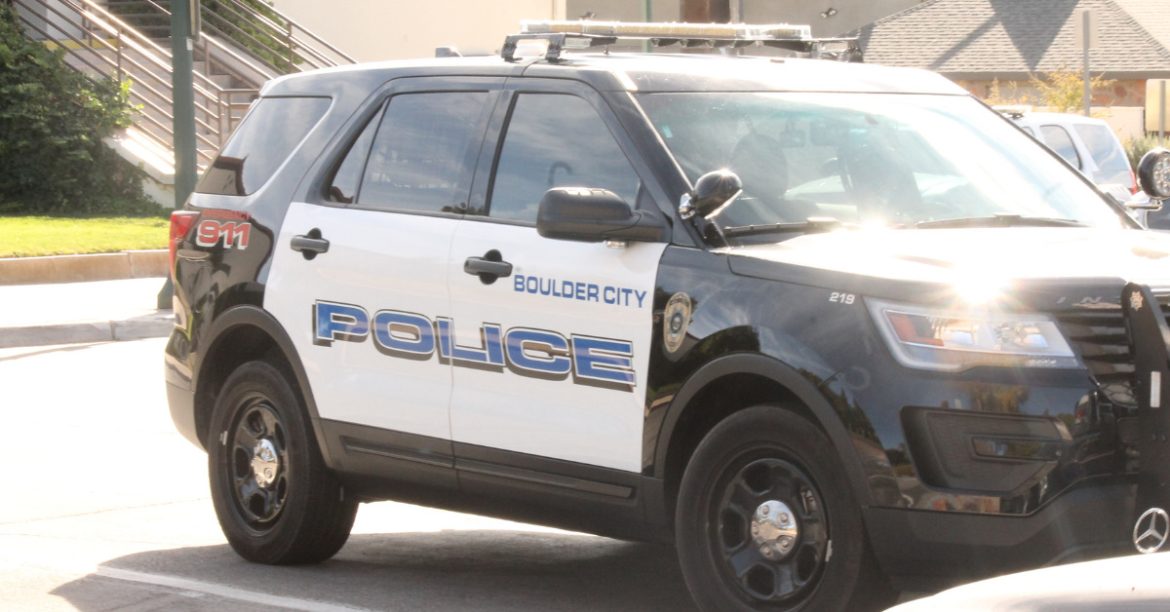
Why This Story Matters Now (March 2026)
In early 2026, the Boulder police union filed its first-ever complaint against a Police Oversight Panel member — co-chair Maria Soledad Diaz — accusing her of bias. A city attorney found Diaz did not violate the city's code of conduct. On March 24, Police Chief Steve Redfearn warned that more complaints could follow.
This mirrors the same pattern documented in this 2023 investigation, when attorney John Neslage filed a complaint against panelist Lisa Sweeney-Miran, leading to her removal and a panel work stoppage. The cycle is repeating.
Listen to the Full Report
Boulder City Council members discussed the future of the city's Police Oversight Panel (POP) during their June 15, 2023 meeting, following the controversial removal of panelist Lisa Sweeney-Miran in May. The decision prompted remaining POP members to halt their work in protest.
Boulder City Council passed the ordinance creating the Police Oversight Panel in November 2020, in the wake of nationwide protests over the murder of George Floyd — and after Boulder police officer John Smyly drew his weapon on Zayd Atkinson, a Black Naropa University student who was picking up trash outside his own home. Smyly had suspected Atkinson of trespassing and called for backup; multiple officers surrounded Atkinson before the situation de-escalated. Smyly resigned. The city paid Atkinson $125,000. The NAACP and El Centro AMISTAD were given seats at the table specifically because, as ACLU attorney Dan Williams put it, "there was a sense in the community that the police department wasn't doing enough to ensure that its police officers were behaving in a just manner towards Black and Brown people."
The controversy began when Boulder attorney John Neslage filed a complaint against Sweeney-Miran's appointment. Neslage argued the panel shouldn't include anyone he considered an "abolitionist," the same way he wouldn't want "an incredibly strident police person" serving on it. He pointed to a swatting incident at a school board meeting where police responded — and no elected officials publicly thanked them.
Sweeney-Miran, a lawyer, housing advocate, school board member, and mother of three, had posted social media content about abolishing police and participated in an ACLU lawsuit challenging Boulder's camping ordinance. She maintained that her advocacy didn't constitute bias — that she had "demonstrated clear criticism and concern of specific things that officers in our community have done," and would keep doing so. She saw the deeper issue as Boulder's struggle with what it means to be "one of the wealthiest, most educated cities on the planet" while hundreds of people at its center don't have access to a shower or a toilet.
The city hired outside counsel Clay Douglas to investigate Neslage's complaint. After spending $20,000 and one month, Douglas concluded Sweeney-Miran demonstrated "a measurable bias against police" and recommended her removal — without ever interviewing a single member of the POP selection committee. Williams, the ACLU attorney, said the investigation was politically motivated. He'd been told directly by at least one City Council member that "the Chief of Police said she was opposed to Lisa being on the oversight panel."
Following the council's vote to remove Sweeney-Miran, POP members staged a work stoppage. Members of the NAACP, the Selection Committee, and even City Council members delivered passionate testimony about what the removal meant.
"You basically have your foot on our necks. And you have continued to ask us to participate in this process and have a voice in it. And then you ignored it." — Community testimony, as described by journalist Shay Castle of Boulder Beat News
Castle noted that Boulder had experienced a historic year of police settlements the year before, including the discovery of serious wrongdoing in a detective unit where five people — one detective and four supervisors — failed to investigate dozens of cases. All of that had been overshadowed.
"I think, intentionally or not, the fact that it happened right after this serious misconduct, it's really shifted the conversation away from police misconduct and onto this like, 'Is she too anti-police to be on a policing panel?' Which is like, it really serves to distract from the very real and serious misconduct that occurred." — Shay Castle, Boulder Beat News
Key Players
Police Oversight in America: By the Numbers
Civilian oversight jurisdictions in the U.S. — Source: Council on Criminal Justice, "Assessing the Evidence: Civilian Oversight"
Timeline: Boulder's Police Oversight Battle
KGNU contacted Boulder City officials and Police Department for a comment on this story. After weeks of internal referrals, a Police Department spokesperson wrote that they didn't feel it was appropriate to do an interview at this time.
At the time of original publication in June 2023, Boulder had no functioning Police Oversight Panel. Nearly three years later, the same fundamental tensions persist: who gets to oversee police, and what counts as "bias" when your job is to hold power accountable?